

Quick Answers




How do you machine a hole in metal for screw installation?
Machining holes in metal for screw installation is a standard process in the manufacturing and engineering industries. Properly machined holes are crucial for ensuring the secure attachment of components and the structural integrity of the final product.
Materials and Tools Required
Before starting the machining process, make sure you have the following materials and tools:
- Metal workpiece
- Drill press or milling machine
- Drill bits or end mills
- Center punch
- Clamps or vises
- Deburring tool
- Protective gear (safety glasses, gloves, etc.)
1. Marking the Hole Location
Begin by marking the center of the hole location on the metal workpiece using a center punch. This will help guide the drill bit or end mill to the correct starting point and prevent it from wandering during machining.
2. Securing the Workpiece
It is essential to securely clamp the workpiece to the drill press or milling machine table to prevent any movement during drilling. Use clamps or vises to hold the workpiece in place and ensure stability.
3. Selecting the Right Tool
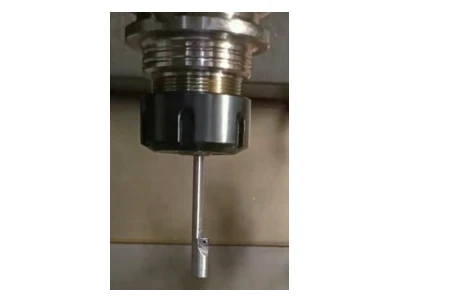
Choose the appropriate drill bit or end mill for the size and type of hole you need to machine. The tool should be sharp and in good condition to ensure clean and precise cuts.
4. Setting the Speed and Feed Rate
Adjust the speed and feed rate of the drill press or milling machine based on the type of metal and size of the hole. Consult the manufacturer’s recommendations for the optimal settings to prevent overheating and tool wear.
5. Machining the Hole
Start the machine and carefully lower the drill bit or end mill into the workpiece at a steady pace. Apply moderate pressure to the tool and let it do the cutting work. Avoid excessive force, as it can cause the tool to break.
6. Checking the Hole Size and Depth
Periodically stop the machine to check the hole’s size and depth with a caliper or depth gauge. Make any necessary adjustments to ensure the hole meets the dimensional requirements for screw installation.
7. Deburring the Hole
After machining the hole, use a deburring tool to remove any burrs or sharp edges around the opening. This will prevent interference with the screw and ensure a secure fit.
8. Final Inspection
Inspect the machined hole for any defects or irregularities that may affect screw installation. Make any final adjustments as needed to ensure the hole meets the desired specifications.
Conclusion
Machining a hole in metal for screw installation requires precision and attention to detail.
By following the steps outlined in this article and using the right tools and techniques, you can create clean and accurate holes that provide a reliable connection for screws.
Remember always to prioritize safety and quality in your machining processes to achieve optimal results.